By phone or email
To speak to an adviser, please call our free and confidential advice line 0808 801 0366 (Monday to Friday 9.30am to 3pm, excluding Bank Holidays). Or you can ask us a question via email using our advice enquiry form.
How to contact us for advice

Are you a parent, kinship carer relative or friend of a child who is involved with, or who needs the help of, children’s services in England? We can help you understand processes and options when social workers or courts are making decisions about your child’s welfare.
Our advice service is free, independent and confidential.
To speak to an adviser, please call our free and confidential advice line 0808 801 0366 (Monday to Friday 9.30am to 3pm, excluding Bank Holidays). Or you can ask us a question via email using our advice enquiry form.
Our online advice forums are an anonymous space where parents and kinship carers (also known as family and friends carers) can get legal and practical advice, build a support network and learn from other people’s experiences.
Our get help and advice section has template letters, advice sheets and resources about legal and social care processes. On Monday and Thursday afternoons, you can use our webchat service to chat online to an adviser.
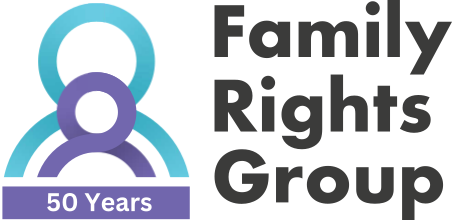
The All Party Parliamentary Group on Kinship Care carried out a spotlight inquiry into the experiences of children in kinship care with special educational needs and disabilities.
Children in kinship care are significantly more likely to have special educational needs and disabilities compared to those raised by their parents. 2021 Census analysis found that 1 in 10 kinship children were disabled under the Equality Act 2010, compared to 1 in 20 living with a parent. Surveys have found around half have special educational needs and disabilities, compared to a fifth of all children.
The inquiry explored the unique challenges faced by kinship families, drawing on evidence from children and young people, kinship carers, parents and the organisations that support them. It also examined the Government’s proposals for SEND reform, published in February 2026 in the ‘Every Child Achieving a Thriving’ schools white paper for England and consultation on SEND reform.
The APPG published its findings and recommendations in the Fighting Two Battles report in July 2026.
The report finds that kinship families face a ‘double challenge’: securing recognition and support for the kinship arrangement itself, while simultaneously navigating a SEND system widely acknowledged to be in crisis. Among its central findings:
The APPG calls on the Government to:

 Melanie Onn MP, Chair of the APPG on Kinship Care:
“The evidence gathered by our APPG is striking. Children in kinship care are frustrated at not feeling heard in schools. Carers forced to explain their family circumstances at every door they knock on; flying blind, as one carer put it, through complex systems without the information they need to advocate for the children.
Our clearest finding is how poorly understood kinship care and the trauma that so often accompanies it remains across the education system. Many children arrive in their carer’s home having experienced loss, separation and disruption. While we heard examples of excellent, inclusive practice, schools and frontline services are too often not equipped to respond.
The Children’s Wellbeing and Schools Act 2026 marks real, hard-won progress — defining kinship care in law for the first time and placing a new duty on local authorities to set out the support available to kinship families. But we cannot stop there. The SEND reforms will only succeed in improving inclusion if kinship care is properly reflected in the system. We cannot afford to design yet another system that leaves these children behind.”
 Jordan Hall, Head of Public Affairs, Family Rights Group
“Kinship care ensures children can stay safely with family and friends, often avoiding the need to enter the care system altogether. But families face a battle for recognition and practical, emotional, educational and financial support. For kinship families raising children with special educational needs and disabilities, those difficulties can be even more acute.
“Our school system cannot properly support children they do not understand. Without that understanding, children who need targeted support are at risk of slipping through the gaps. Timely access to therapeutic support is not a luxury but essential for some children and kinship arrangements to thrive, and delays in access are putting families under unsustainable pressure. There is also an unequal patchwork of entitlements in schools which should not be a lottery based on how they came to be in kinship care.
“Family Rights Group has worked with the APPG to bring the experiences of kinship families into the debate on how to fix the SEND crisis. The Government must ensure their voices inform the new system being built.”
 Joe Robertson MP, APPG Vice Chair, said:
“Relatives and friends who have stepped in to raise children within their family do a brilliant job but in doing so they often face pressures they never anticipated.
“Like many families raising children with special educational needs and disabilities, securing the specialist support the children need is very often a battle. As kinship carers thrust into the role at a moment’s notice, it can be an even steeper learning curve.
“Kinship families have told our APPG about their worries that the proposed reforms could make it harder to secure specialist support if mainstream education does not meet their child’s needs. Families must be able to progress to the specialist tier if they need to and be able to access the advice they need to hold the system to account.”
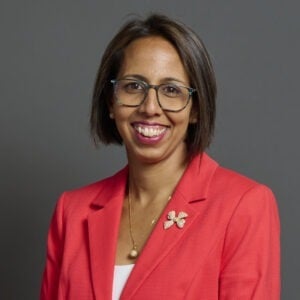 Munira Wilson MP, Vice Chair, said:
“Too many children with special educational needs are not getting the help they need in school early enough. That can be especially challenging for kinship families. Carers often step up in a crisis with little preparation or the information they need. The children have often experienced loss and trauma which can have long term consequences.
“Delays in access to timely therapeutic support can put particular strain on kinship families and have a big impact on their experience in school. The Adoption and Special Guardianship Support Fund is one of few routes to this support but access is extremely limited and its long term future is uncertain. An inclusive SEND system must go hand in hand with ensuring all children in kinship care can access therapeutic support if they need it.”
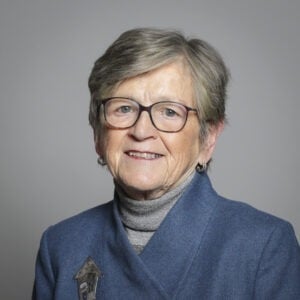 Baroness Armstrong, Vice Chair, said:
“Many more young people raised in kinship care are now teenagers. Our APPG has heard a growing concern among kinship families raising older children about the cliff edge in support after 16.
“Families continue to face pressures and can’t be expected to pick up the slack and continue to support young people into early adulthood without help.
“The Government has placed a welcome focus on post 16 educational and skills including in relation to special educational needs. We are keen to see that this reflects the lived realities of kinship care and that young people in kinship care and their families are involved in what this reform looks like.”
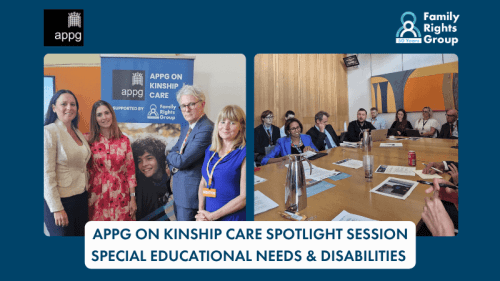
On 8th July 2025, the first APPG spotlight session heard the perspectives and experiences of three kinship carers from different parts of England.
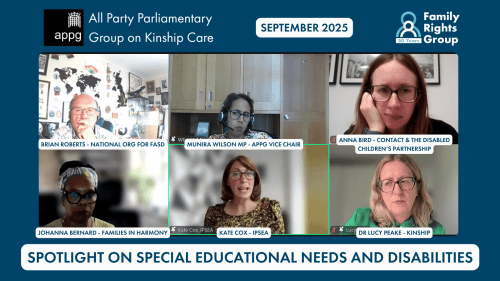
On Wednesday 10th September, the APPG held a second spotlight session, with evidence from organisations working with families.
Speakers:
Read the minutes of the session
Organisations also submitted written evidence:
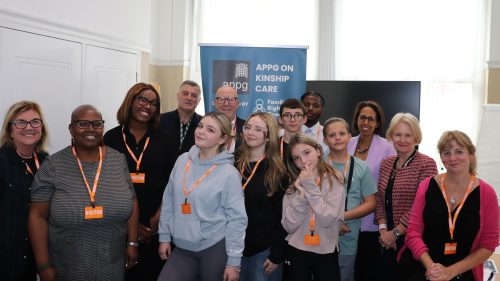
On 28th October 2025, our APPG met a group of brilliant and talented young people raised in kinship care who bravely shared their experiences and insights with APPG members and the National Kinship Care Ambassador, Jahnine Davis. The experiences they shared were deeply moving and highlighted the urgent need for policy and practice to reflect the realities of children and young people growing up in kinship families.
The young people shared their frustration at repeatedly having to tell their story and explain their kinship care arrangement to schools and other professionals. They spoke about finding it hard to get the help they needed in school, including with special educational needs and disabilities. Some were worried about not keeping in touch with their siblings when living in different homes. Kyle shared his reflections from mentoring young Black boys in kinship care.
Thanks to Isaac, Jamie, Mollie, Rosa, Maggie, Pauline and Laura from Kinship Carers Liverpool and Kyle and Sharon from Families in Harmony.
Read more about the session in this blog
Read the minutes of the session
The APPG wrote to the Children’s Minister following the session, with three asks:
In February 2026, the Department for Education published the Government’s new schools white paper and a consultation on reforms to provision for children with special educational needs and disabilities.
Family Rights Group facilitated a closed workshop with kinship carers on 30th March 2026 to explore family perspectives on the Government’s proposals.
The APPG made an interim submission to the Secretary of State for Education following the first evidence session.
DownloadA response from Minister Janet Daby MP to the APPG's interim submission on SEND.
DownloadThe APPG made a submission to the DfE consultation on SEND reforms in May 2026
DownloadFor further information, contact Jordan Hall, Head of Public Affairs at Family Rights Group: [email protected].

Your donation will help more families access expert legal advice and support from Family Rights Group.
Donate Now